The consumer staples sector has long been regarded as the bedrock of a defensive investment strategy, providing a sanctuary of stability during periods of macroeconomic turbulence. In the opening stages of 2026, Colgate-Palmolive Company (NYSE: CL) has emerged as a standout performer within this category, demonstrating a remarkable ability to navigate the complexities of global inflation, supply chain recalibration, and shifting consumer preferences. The company’s latest financial disclosures reveal a business that is not merely weathering the storm but actively expanding its footprint through strategic innovation and operational excellence. By exceeding analyst expectations across several key performance indicators, Colgate-Palmolive has signaled a new chapter of growth that leverages its deep brand equity and a modernized approach to data-driven marketing.
At the core of this success is a fundamental shift in how the company approaches the global marketplace. For decades, Colgate-Palmolive was synonymous with oral care, a category it continues to dominate with a global market share exceeding 40%. However, the 2026 growth narrative is increasingly driven by a diversified portfolio that includes personal care, home care, and high-margin pet nutrition through its Hill’s Pet Nutrition subsidiary. The synergy between these divisions has created a resilient revenue stream that allows the company to absorb shocks in any single geographic region or product category. As we analyze the specific drivers behind the recent “beat and raise” quarter, it becomes clear that Colgate-Palmolive is successfully executing a “premiumization” strategy—convincing consumers that its products offer superior value and health benefits that justify a higher price point even in a cost-conscious environment.
The financial metrics from the most recent reporting period underscore this momentum. Organic sales growth, which excludes the impact of foreign exchange, acquisitions, and divestitures, has consistently trended in the mid-to-high single digits, outperforming many of its peer group competitors. This growth is particularly impressive because it is balanced between price increases and volume stability. In the consumer goods industry, the ultimate test of brand strength is “price elasticity”—the degree to which sales volume drops when prices rise. Colgate-Palmolive has demonstrated an enviable level of pricing power, suggesting that its “science-led” branding and investments in product efficacy have created a high level of consumer “stickiness.”
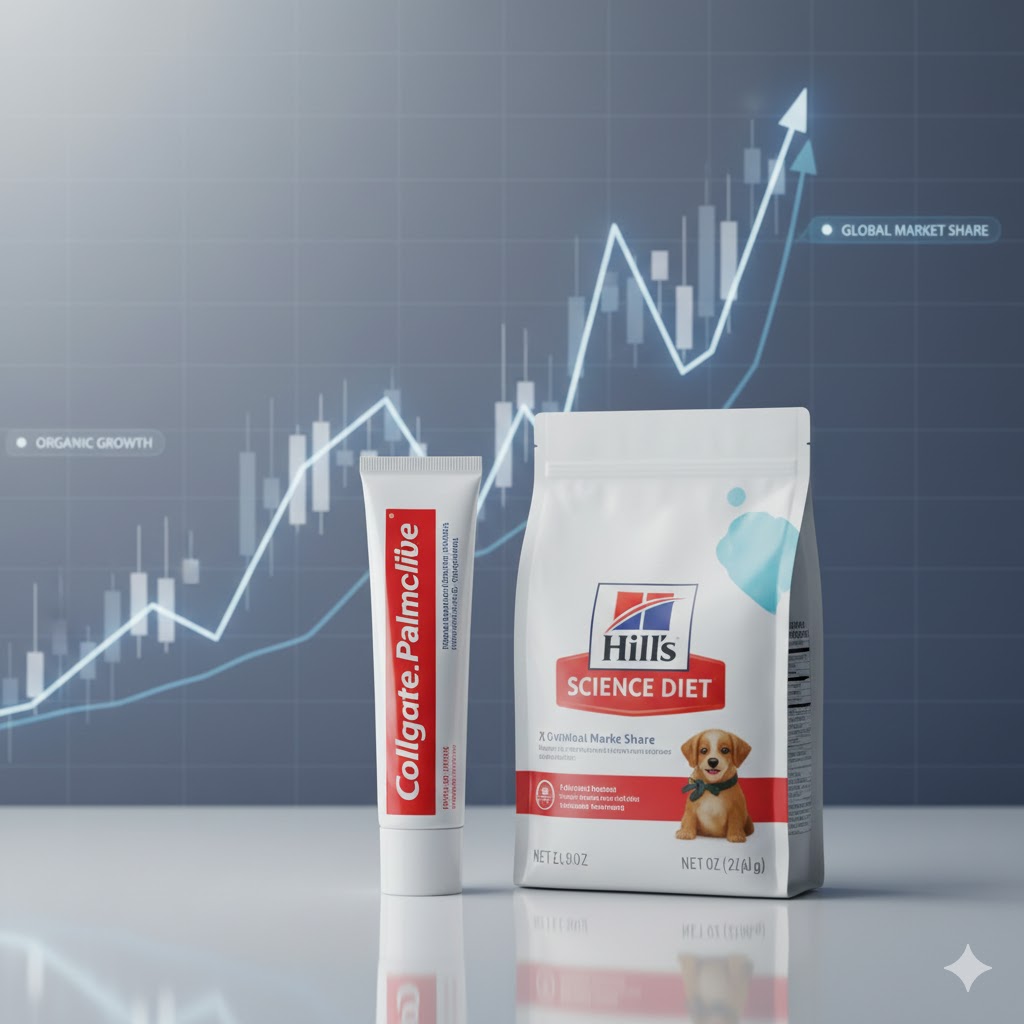
Furthermore, the company’s focus on margin expansion is beginning to bear fruit. After several years of battling rising raw material costs and logistics expenses, Colgate-Palmolive has aggressively implemented a global productivity program. By optimizing its manufacturing footprint and leveraging AI-driven analytics for procurement, the company has managed to offset inflationary pressures. The resulting expansion in gross margins provides the financial “dry powder” necessary to reinvest in advertising and research and development (R&D). This virtuous cycle—where efficiency gains fund growth initiatives—is a hallmark of well-managed large-cap corporations and is a primary reason why institutional investors have renewed their interest in the stock.
The Oral Care division remains the crown jewel of the organization, but its internal evolution is what truly drives the current growth prospects. In 2026, the company has doubled down on its “therapeutic” offerings. The launch of next-generation whitening systems and advanced gum health formulations has allowed Colgate to capture a larger share of the professional and premium retail markets. By collaborating closely with dental professionals worldwide, the company has reinforced its “most recommended” status, creating a powerful barrier to entry for generic or “insurgent” digital-native brands. The expansion into high-growth markets like India and Brazil, where oral hygiene awareness is rising, continues to provide a long runway for volume growth, even as mature markets shift toward value-added premium products.
Simultaneously, the Hill’s Pet Nutrition segment has transformed from a niche specialty brand into a major growth engine. The “humanization of pets” trend remains a secular tailwind that Colgate-Palmolive has expertly harnessed. Hill’s Science Diet and Prescription Diet products are positioned at the intersection of healthcare and nutrition, making them relatively recession-proof. Recent investments in expanded production capacity have finally allowed the company to meet the surging demand for its clinical formulations. In the most recent fiscal year, Hill’s reported double-digit growth in several key territories, contributing a disproportionate share to the company’s overall operating profit. This segment’s high barriers to entry, rooted in scientific research and veterinary endorsements, provide a margin profile that is highly attractive to valuation models.
Digital transformation has been another critical pillar in exceeding expectations. Colgate-Palmolive has moved away from traditional mass-market advertising toward a highly targeted, data-centric approach. By utilizing first-party data and sophisticated CRM systems, the company can now reach consumers with personalized messages at the precise moment of their “path to purchase.” This digital-first strategy is particularly evident in the e-commerce channel, which now accounts for a significant and growing portion of total sales. The company’s ability to thrive on platforms like Amazon and Alibaba, as well as through direct-to-consumer (DTC) channels for Hill’s, has mitigated the traditional reliance on physical shelf space and improved the efficiency of its marketing spend.
From a balance sheet perspective, Colgate-Palmolive remains a model of fiscal conservatism and shareholder friendliness. The company’s long history of dividend payments—stretching back over a century—remains intact, with recent increases reflecting the board’s confidence in future cash flow generation. Share buyback programs have also been utilized strategically to enhance earnings per share (EPS). For the conservative investor, the combination of a growing dividend yield and the capital appreciation potential of a “growth-inflection” story makes CL an intriguing component of a diversified portfolio. The company’s debt-to-equity ratio remains well-managed, providing it with the flexibility to pursue small-to-medium sized “bolt-on” acquisitions that can add new technologies or geographic reach to its existing portfolio.
The “expanded growth prospects” mentioned in recent analyst reports also point toward the company’s commitment to Environmental, Social, and Governance (ESG) goals, which have become increasingly material to financial performance. Colgate-Palmolive’s leadership in sustainable packaging—specifically the development of the first-of-its-kind recyclable toothpaste tube—has not only reduced its environmental footprint but also resonated with younger consumers who prioritize sustainability. This “purpose-driven” branding is more than just corporate social responsibility; it is a strategic differentiator that protects market share in an era of conscious consumerism.
Looking ahead to the remainder of 2026 and into 2027, the primary challenge for Colgate-Palmolive will be managing the volatility of global currencies. As a company that generates a majority of its revenue outside the United States, a strong US dollar can act as a significant headwind to reported earnings. However, the company’s localized manufacturing strategy serves as a natural hedge, reducing the need for cross-border transactions and mitigating some of the exchange rate risk. Additionally, the continued expansion of the middle class in emerging markets provides a structural growth opportunity that far outweighs short-term currency fluctuations.
In the competitive landscape, Colgate-Palmolive faces intense rivalry from other giants like Procter & Gamble and Unilever. Yet, its concentrated focus on specific categories—rather than being a “conglomerate of everything”—allows it to be more agile and specialized. The company’s R&D centers are currently working on integrating “connected health” technologies into everyday products, such as smart toothbrushes that provide real-time feedback to users and their dentists. This move into the “Internet of Things” (IoT) space could redefine the relationship between the consumer and the brand, moving Colgate from a commodity supplier to a health-partner ecosystem.
The conclusion of the latest earnings cycle has left market participants with a clear message: Colgate-Palmolive is a “staple” that has learned to move with the speed of a “tech” firm. By over-delivering on its financial promises and providing a roadmap for sustained expansion through pet nutrition, premium oral care, and digital excellence, the company has earned its place as a leader in the 2026 market rally. The “overnight dip” or occasional market volatility should be viewed through the lens of a long-term structural transformation that is currently being realized.
In summary, the trajectory for Colgate-Palmolive is one of disciplined growth and technological adaptation. With its science-backed product lineup, efficient global supply chain, and a consumer base that remains loyal even in inflationary times, the company is well-positioned to continue exceeding expectations. As the global economy enters a new phase of the 2020s, the resilience of a company that cleans our teeth and feeds our pets should not be underestimated. Colgate-Palmolive’s story in 2026 is a testament to the fact that even the most established brands can find new ways to innovate and capture the imagination (and wallets) of the global consumer.
Leave a Reply