Amid tight memory supply, Apple (NASDAQ:AAPL) is reportedly set to prioritize the release of high-end iPhone models in 2026.
Sources say that due to adjustments in marketing strategies and supply chain limitations, Apple is focusing on producing and shipping its three highest-end iPhone models for 2026, while delaying the launch of its standard models.
It is understood that Apple (NASDAQ:AAPL) will focus on releasing its first foldable iPhone, along with two non-foldable models equipped with upgraded cameras and larger displays, as the flagship releases for the second half of 2026. Meanwhile, the standard iPhone 18 is currently slated for shipment in the first half of 2027.
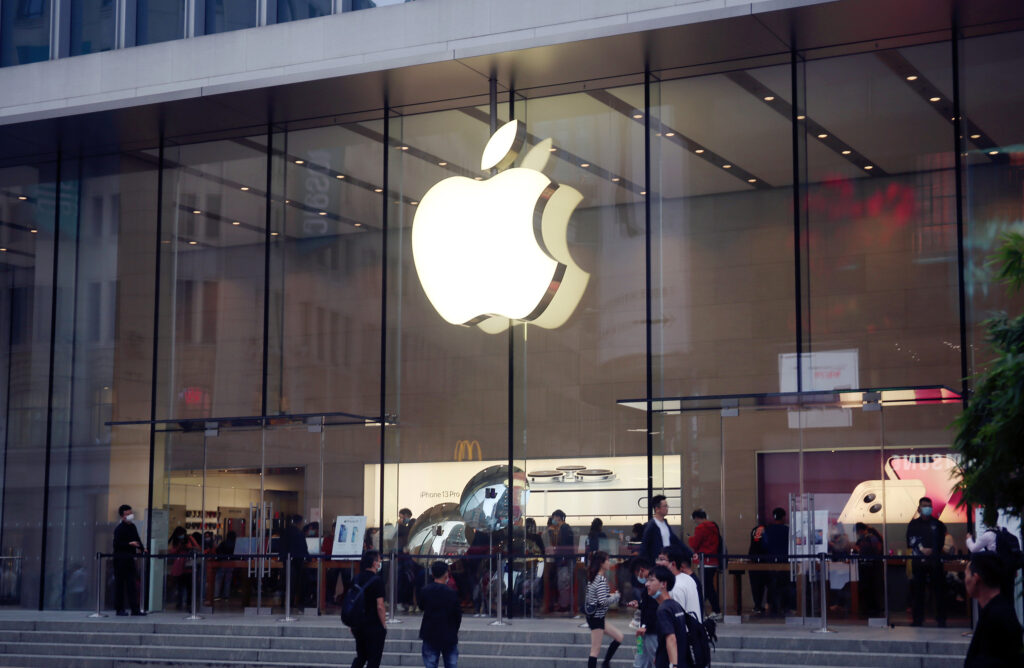
This strategy aims to optimize resource allocation, maximize revenue and profit through high-end devices amidst rising costs of memory chips and raw materials, while also reducing production risks associated with the complexity of the first foldable device.
An executive from one of Apple’s iPhone suppliers stated, “The smoothness of the supply chain is one of the key challenges this year, and the changes in marketing strategy also played a role in the decision to prioritize high-end models.”
Last year, there were reports that Apple’s first foldable iPhone would be released in September 2026, with an expected price tag of $1,999.
The launch of the foldable iPhone will mark the most significant design change in the iPhone series since Steve Jobs introduced the first iPhone in 2007.
Some analysts believe that the foldable iPhone will be key to reversing Apple’s performance, while they remain less optimistic about the sales of the iPhone 17 series.
However, market research firm Counterpoint Research previously reported that Apple led the global smartphone market with a 20% market share in 2025, primarily driven by strong sales of the iPhone 17 series.
Apple Q4 Earnings Surpass Expectations
Apple (NASDAQ:AAPL) on Thursday reported significantly better-than-expected earnings, with Q4 revenue reaching $143.8 billion, up from $124.3 billion a year earlier. Meanwhile, iPhone revenue hit $85.3 billion, also above analysts’ expectations of $78.2 billion for the quarter.
Apple also announced that the total number of Apple devices in use worldwide has reached 2.5 billion.
Apple CEO Tim Cook told analysts on Thursday that the company is seeing record numbers of iPhone upgrades, and that “switchers” (users transitioning from Android to iPhone) experienced double-digit growth.
In China, a market that has long been under pressure for Apple, Q4 revenue also grew from $18.5 billion a year ago to $25.5 billion.
Despite the strong performance, Apple continues to face challenges.
Manufacturers are shifting resources to produce memory for data centers instead of consumer products like smartphones, causing a memory shortage in the tech industry.
Cook acknowledged that Apple is currently “constrained” and that it is “difficult to predict when supply and demand will rebalance.”
He added that while the memory shortage had a “minimal” impact on the December quarter, it may become more noticeable in the current quarter.