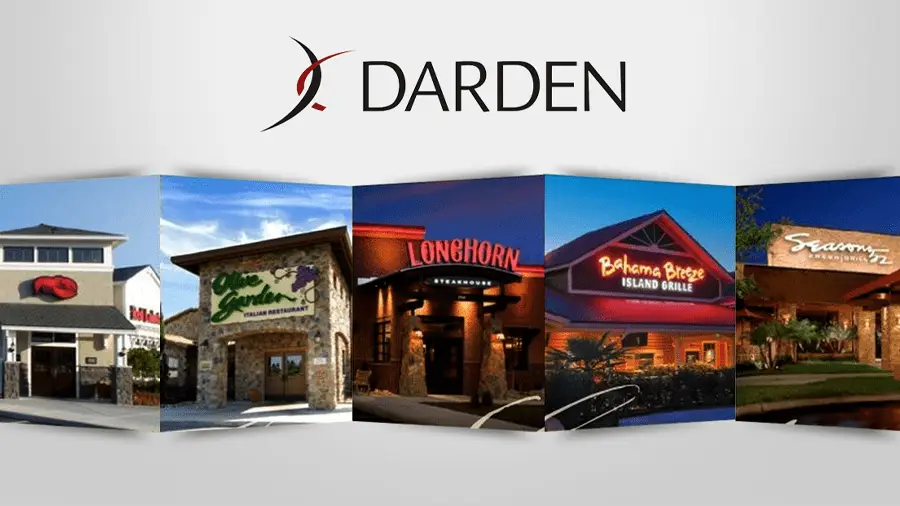
In the hyper-competitive landscape of American casual dining, few players possess the scale, operational discipline, and portfolio diversity of Darden Restaurants, Inc. (NYSE: DRI). As the parent company of iconic brands like Olive Garden, LongHorn Steakhouse, and the recently acquired Chuy’s, Darden has long been viewed as a bellwether for the health of the American consumer. On December 18, 2025, the company released its Darden Restaurants Financial Report for the second quarter of fiscal 2026, offering a masterclass in navigating inflationary headwinds while simultaneously expanding market share.
Following the release of these Darden Restaurants Earnings, the market responded with a blend of cautious optimism and immediate institutional positioning. On December 19, 2025, the DRI stock price closed at $189.97, reflecting a slight pullback of 1.5% from the previous session as the market digested a narrow miss on earnings per share (EPS) despite a significant beat on the top line. With a market capitalization of approximately $22 billion and a portfolio that now spans over 2,100 locations, the DRI stock remains a cornerstone holding for investors seeking exposure to the “essential” luxury of dining out.
The Fiscal Q2 2026 Scorecard: Revenue Momentum Meets Commodity Friction
The headline figure from the Darden Restaurants Financial Report was a robust 7.3% increase in total sales, reaching $3.1 billion. This performance exceeded Wall Street expectations, driven by a blended same-restaurant sales increase of 4.3%. In an era where many casual dining chains are struggling to maintain traffic, Darden’s ability to outpace the industry average (which sat at a modest 1.3% for the quarter) is a testament to its “brilliant with the basics” philosophy.
The bottom-line results, however, painted a more complex picture. Darden reported adjusted diluted net earnings per share of $2.08, a 2.5% increase year-over-year but just shy of the $2.11 analyst consensus. This narrow miss was primarily attributed to near-record beef costs and broader commodity inflation, which pressured margins across the LongHorn Steakhouse and Fine Dining segments. Despite this, the company’s net income rose to $237.4 million, demonstrating that Darden’s scale allows it to absorb shocks that would cripple smaller competitors. For investors watching the DRI stock price, the resilience of the cash flow remains the primary attraction, even as the company balances price increases with guest value.
Segment Deep Dive: Olive Garden and LongHorn Lead the Charge
The strength of the Darden Restaurants Earnings was anchored by its two flagship brands. Olive Garden, which accounts for nearly half of the company’s revenue, delivered a 4.7% increase in same-restaurant sales. This growth was fueled by successful menu innovation, including the return of the “Never Ending Pasta Bowl,” which continues to be a high-traffic driver among value-conscious consumers. Olive Garden’s segment profit rose to $297.3 million, up from $277.8 million a year ago, proving that its scale allows it to maintain profitability even when food costs rise.
LongHorn Steakhouse provided the other leg of growth, with same-restaurant sales surging 5.9%. This was particularly impressive given the segment’s exposure to skyrocketing beef prices. While LongHorn’s segment profit dipped slightly to $126 million due to these cost pressures, its ability to drive traffic suggests that the brand is successfully positioning itself as the “affordable luxury” choice for steak lovers. The “Other Business” segment, which now includes the integration of Chuy’s, reported a 10.2% sales increase, reflecting the impact of 109 new locations added through the acquisition.
Strategic Integration: The Chuy’s Catalyst and Beyond
A significant portion of the Darden Restaurants Financial Report was dedicated to the ongoing integration of Chuy’s Tex-Mex. Darden’s management team noted that the transition is ahead of schedule, with $0.03 of the quarter’s expenses tied to integration-related costs. By bringing Chuy’s into the Darden infrastructure, the company expects to unlock significant synergies in supply chain procurement and labor management.
Furthermore, Darden is aggressively expanding its digital footprint. The partnership with Uber for delivery—while still in its early stages—is already contributing to incremental sales growth. Unlike many peers who surrendered their margins to third-party delivery apps early on, Darden’s disciplined approach to delivery ensures that it maintains control over the guest experience and data. This technological edge is a critical component of the DRI stock bull case, as it allows for more personalized marketing and operational efficiency.
Capital Allocation and the $222 Million Signal
Darden continues to be a champion of shareholder returns. During the second quarter, the company returned $396 million to its investors through a combination of $174 million in dividends and $222 million in share repurchases. The board also declared a quarterly cash dividend of $1.40 per share, reinforcing the stock’s attractiveness for income-seeking investors.
When a company repurchases its own shares at this volume, it sends a clear signal that the board views the DRI stock price as undervalued relative to its long-term earnings power. With $643 million remaining under the current repurchase authorization, investors can expect continued support for the stock price through the remainder of fiscal 2026. This aggressive capital return strategy is a hallmark of Darden’s management, which has successfully balanced unit growth with immediate shareholder rewards for over a decade.
Navigating the “Beef Cycle”: Commodity Inflation and Margin Defense
One of the most detailed sections of the Darden Restaurants Earnings call focused on the commodity environment. Food and beverage expenses rose by 90 basis points, largely due to a 5.5% spike in commodity inflation. Beef, in particular, has become a significant headwind. However, Darden’s “competitive advantages”—its proprietary supply chain and massive purchasing power—allow it to price its menus approximately 1% to 2% below inflation over the long term.
By not passing the full cost of inflation onto the guest, Darden is effectively “buying” customer loyalty and market share. This strategy may lead to short-term margin compression, but it ensures that Darden remains the go-to destination as consumers tighten their belts. Management expects total inflation for the full year to hover around 3.5%, a figure they believe can be mitigated through productivity gains and the 53rd week of operations in the fiscal 2026 calendar.
Market Outlook and Fiscal 2026 Guidance: A Raise in Expectations
In a move that caught the market’s attention, Darden raised its full-year sales guidance to a range of $11.15 billion to $11.22 billion, up from its previous estimate. The company now expects same-restaurant sales growth of 3.5% to 4.3% for the fiscal year. This upward revision suggests that management sees a “strengthening” consumer environment, particularly among middle- and higher-income households who are increasingly frequenting Darden’s Fine Dining and LongHorn brands.
Adjusted diluted EPS guidance was maintained at $10.50 to $10.70, including a $0.20 benefit from the extra 53rd week. While the EPS range was not raised, the higher revenue outlook provides a “cushion” should commodity costs remain elevated. For the DRI stock, this guidance provides a clear roadmap for 10% to 15% total shareholder returns when accounting for dividends and buybacks.
Competitive Landscape: The Scale Advantage
Darden exists in a “tier of its own” compared to peers like Brinker International (EAT) or Bloomin’ Brands (BLMN). Its ability to maintain a 23.4% operating margin at Olive Garden—far higher than the industry average—is a result of decades of process optimization. Whether it’s the “SmartTruck” routing for its supply chain or its AI-driven labor scheduling, Darden is essentially a technology company that happens to serve food.
Moreover, the Darden Restaurants Financial Report highlighted a widening gap in guest satisfaction scores. By investing in its people—spending over $1 billion annually on labor and training—Darden ensures that its service levels remain a competitive moat. In an industry where high turnover is the norm, Darden’s “People First” strategy results in lower replacement costs and a more consistent experience for the guest.
Technical Analysis: Where Does DRI Stock Go From Here?
From a technical standpoint, the DRI stock price of $189.97 is currently trading near its 200-day moving average. The stock has shown strong support at the $170.00 level, and the recent consolidation following the earnings release is viewed by many analysts as a healthy “cooling off” period. The RSI (Relative Strength Index) is neutral, suggesting that the stock is neither overbought nor oversold.
Given the raised revenue guidance and the aggressive buyback program, a break above the $200.00 psychological barrier could trigger a fresh rally toward the 52-week high of $228.27. For long-term investors, the current valuation of approximately 19x forward earnings represents a fair price for a company with Darden’s history of compounding returns.
The Investment Verdict: A “Table for One” in Corporate Excellence
Following a comprehensive analysis of the Darden Restaurants Earnings and the broader economic climate, the investment case for Darden remains remarkably strong. While the company faces the undeniable pressure of the beef cycle and labor inflation, its structural advantages—scale, brand equity, and capital discipline—make it an “all-weather” performer.
Recommendation: Buy on Dips / Core Holding
The current DRI stock price provides an attractive entry point for those looking to capitalize on the “premiumization” of the American dining experience. Darden is not just selling meals; it is selling a reliable, high-value experience that consumers are unwilling to give up, even in a fluctuating economy.
Why Invest in DRI Stock Now?
- Revenue Upgrades: The raised guidance is a clear signal of internal confidence.
- Portfolio Diversification: The addition of Chuy’s rounds out a portfolio that covers everything from value (Olive Garden) to luxury (Ruth’s Chris).
- Shareholder Yield: A 3%+ dividend yield combined with aggressive buybacks creates a powerful total return engine.
- Operational Moat: Darden’s supply chain is arguably the most efficient in the world of casual dining.
For the savvy investor, the latest Darden Restaurants Financial Report is a reminder that in a world of “disruption,” there is still massive profit to be found in being “brilliant with the basics.” Darden is a company that knows exactly who its guests are and how to serve them profitably. In the volatile world of 2026, that level of clarity is the ultimate luxury.
Key Financial Metrics Summary
| Metric | Q2 FY2026 Result | Year-over-Year Change |
| Total Sales | $3.10 Billion | +7.3% (Beats Estimates) |
| Adjusted EPS | $2.08 | +2.5% (Narrow Miss) |
| Same-Restaurant Sales | 4.3% | Blended Growth (Outperforms Industry) |
| Olive Garden Sales | $1.36 Billion | +5.4% |
| LongHorn Sales | $775.9 Million | +9.3% |
| Capital Returned | $396.0 Million | High Shareholder Alignment |
| FY26 Sales Guidance | $11.15B – $11.22B | RAISED |
As we move deeper into fiscal 2026, the story of the DRI stock will be one of execution. If the company can successfully navigate the peak of the beef cycle while maintaining its traffic momentum, it is well-positioned to reward shareholders with double-digit returns. Darden has set the table; now it’s time for investors to take a seat.
Leave a Reply