Ferrari (RACE) has been in the headlines lately thanks to a string of cautious analyst trims and a meaningful re-set in long-term product strategy that rattled sentiment. Two recent broker moves you cited — Berenberg trimming its target and RBC lowering its price objective — fit a broader story: the market is re-pricing some optimism about Ferrari’s 2030 roadmap even as the company continues to produce enviable margins, cash flow and shareholder returns. The result is a notable pullback that opens a tactical entry window for investors who respect both the upside of a rare luxury franchise and the execution risks tied to electrification and guidance.
Where the stock sits today (price & technical context)
Ferrari’s U.S. listing has been trading in the mid-$360s recently (example close: ~$368.6 on Dec 15, 2025), while its Milan listing shows a corresponding euro price in the low-to-mid €300s — levels that reflect a pullback from 12-month highs in the high €400s / $500s. The one-year trading range demonstrates the squeeze: premium valuations coming off after the company revised some long-term targets and investor expectations reset.
The fundamentals that still matter
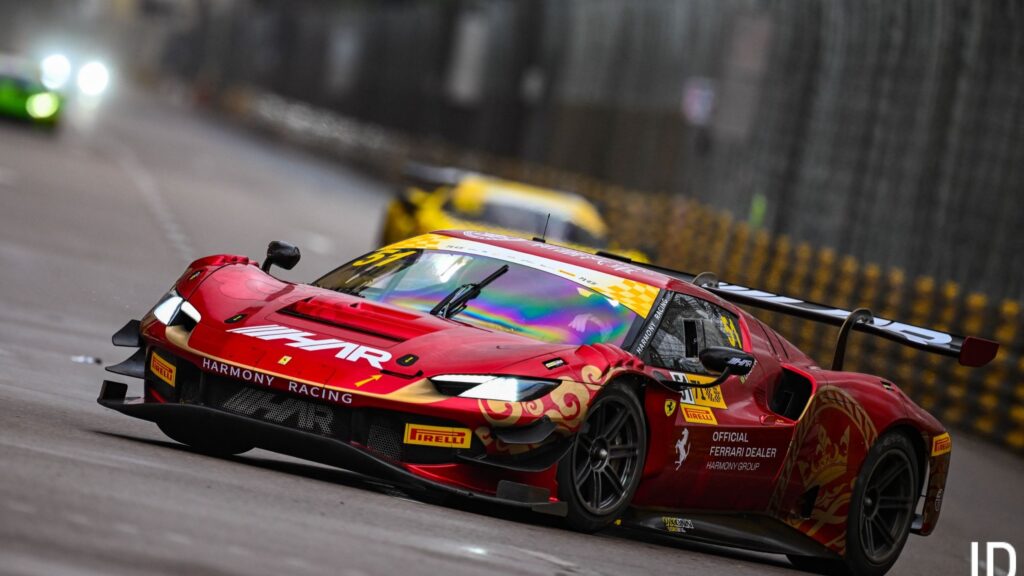
Ferrari isn’t an ordinary carmaker. Its most recent quarterly disclosure highlighted top-line growth and exceptional margins: Q3 2025 net revenues of €1.766bn (+7.4% y/y), an EBIT margin around 28.4%, EBITDA margin near 37.9%, and strong industrial free cash flow. Management also completed a material share-buyback program tranche in 2025, supporting EPS and capital return. Those numbers underscore why many analysts still model Ferrari as a cash-generative luxury business with pricing power and rare scarcity economics.
Why analysts are trimming targets (and why the stock sold off)
Investor nerves center on two linked themes:
- Revised 2030 ambition for electrification and lower profit guidance. Ferrari publicly trimmed its longer-term EV mix ambitions and lowered some 2030 profit targets versus the most bullish analyst expectations — a recalibration that implies lower structural upside than some models baked in. This single update triggered a sharp share decline as the market re-discounted future growth.
- Analyst note adjustments. Brokers have pared targets — some modestly, some materially — reflecting the new guidance and conservative assumptions on model mix, margin sustainability and EV R&D costs. These trims explain the short-term negative price moves even when ratings often remain “Buy” or “Hold” rather than “Sell.” (You mentioned recent Berenberg and RBC moves; these cuts mirror the industry’s broader cautiousness about FY30 targets and margin assumptions).
Valuation view — why the pullback has merit for buyers
Ferrari historically trades at premium multiples because investors pay for brand strength, higher-than-industry margins, personalization revenue (which boosts per-vehicle profitability), and a lengthy order backlog. The recent pullback has two practical effects for value-hungry investors:
- It compresses multiples on a business that still generates high ROIC and free cash flow, meaning downside from current levels is limited unless execution fails.
- It increases the probability of attractive entry points for long-term exposure to luxury auto cyclicality — especially because buybacks and dividend policies continue to return capital.
Importantly, Ferrari also controls supply (deliberately producing below full demand) to protect exclusivity, and personalization revenue now represents a meaningful premium per car — both structural cushions to margin erosion.
The risks that push us from a full-throated buy to a measured accumulate
This is where judgement matters: Ferrari is not risk-free.
- EV execution risk. The FT reported Ferrari halving or materially trimming some EV targets and modifying 2030 expectations — a sign that the electric supercar transition is more expensive and technologically constrained than initially modeled. If Ferrari falls behind on electrified halo models or sees cost inflation, margins could compress.
- Model timing & scaling risk. Luxury launches must land with customers; any mis-timing (pricing, specs, or rollout issues) will hit volumes and backlog conversion.
- Macro & regional demand risk. Luxury demand is sensitive to macro shocks in key markets (US, Europe) and, to a lesser extent by design, China. While limited China exposure historically has protected margins, global economic deterioration would still dent orders.
How investors should play this (practical tactical framework)
- Accumulate on meaningful weakness (dips into the low-to-mid $300s in USD / low €300s in EUR). The pullback that followed guidance repositioning creates a tactical buying window for long-term holders who accept EV risk and want durable cash flow.
- Size positions to reflect execution risk. Start with a smaller tranche and add if forthcoming quarters show stabilization in product rollout, margin resilience, or better clarity on EV roadmap and FCF conversion.
- Watch three catalysts: (A) quarter-by-quarter industrial free cash flow and margin stability; (B) updates on the Elettrica and other EV prototypes (timing and margins); (C) further share-buyback or dividend announcements that would materially change capital return assumptions.
Valuation target & upside / downside (scenario view)
- Base case (our constructive view): If Ferrari sustains high-30s EBITDA margins, converts backlog, and modestly grows revenues through personalization and new models, the stock should re-rate toward mid-high premium multiples — implying meaningful upside from current mid-$300s levels.
- Bear case: If EV costs bite margins and new models fail to drive higher average selling prices, multiples contract further — turning today’s pullback into a further re-rating.
Given the company’s cash flow profile and buybacks, the risk-reward tilts toward accumulate on weakness rather than outright sell — but the position should be sized for possible volatility.
Bottom line
Ferrari remains one of the rare consumer brands that combine pricing power, scarcity economics and strong cash generation. The recent analyst trims and guidance reset are important — they justify more conservative near-term estimates and explain the stock’s pullback — but they do not erase Ferrari’s structural advantages. For investors with a multi-year horizon who can tolerate execution risk and the technological challenge of electrifying high-performance cars, the current dip looks like a buying opportunity if entered with discipline and position sizing. For opportunistic traders, the volatility around upcoming quarterly reports and EV news will offer tactical trades both ways.